
Electrochemical Systems for Life Sciences

We’re fascinated by how electricity can shape living systems — how a signal, a pulse, or a subtle shift in potential can guide cells, reveal insight, or spark change. At Electrophorus, we build tools that make this connection possible. Our mission is to give scientists the means to interact with biology through electronics — to explore, understand, and influence life using the language of electrons.

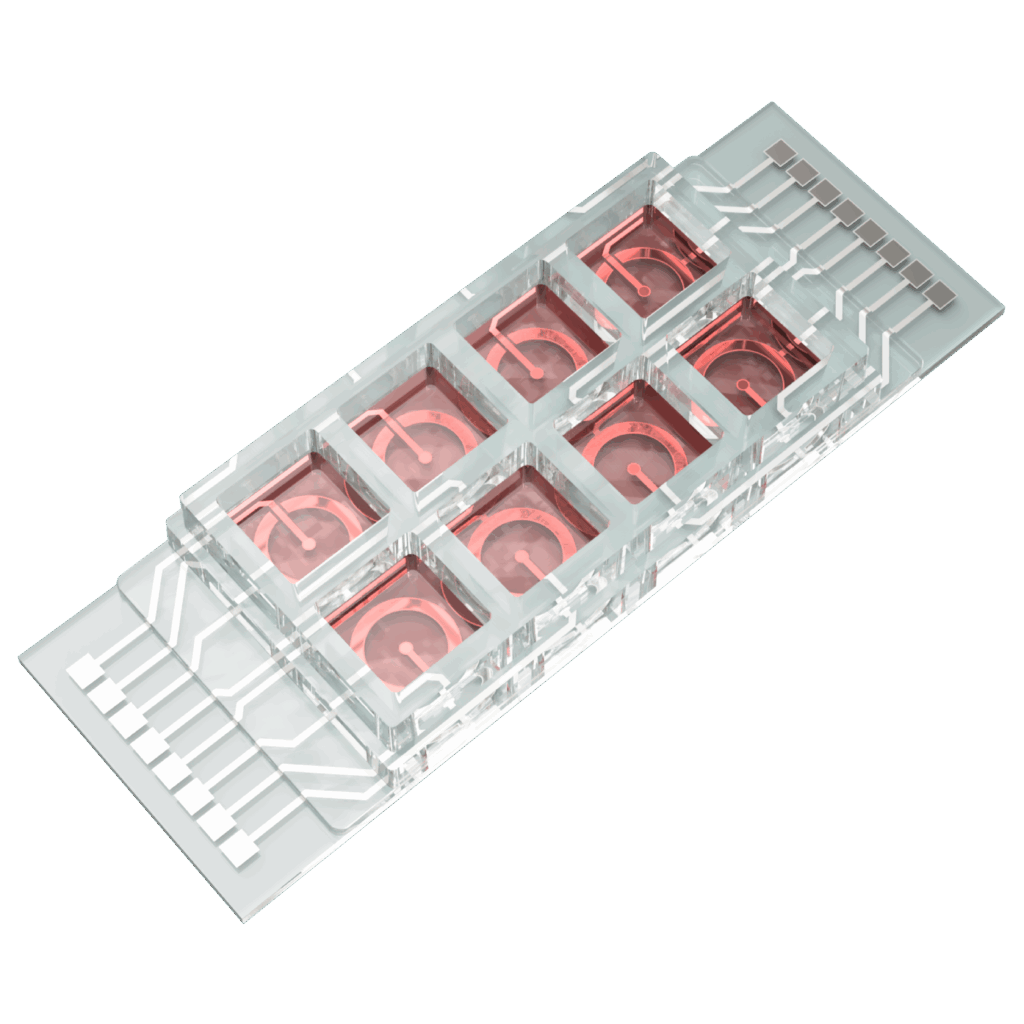
Planar electrode array consisting of 8 concentric electrode pairs on a microscope slide with integrated well system for cell culture
Our Products

Guide Cellular Behavior with Our Systems

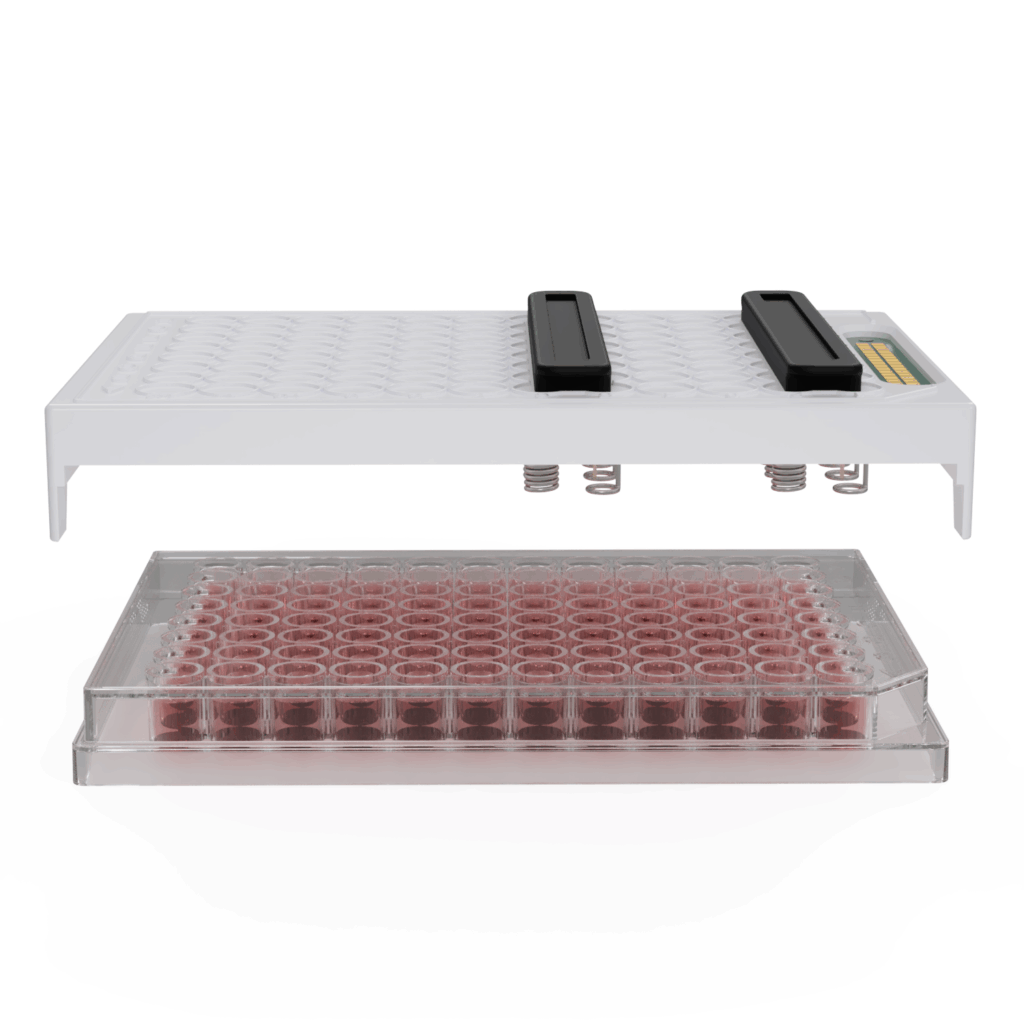
BRICK 2-well electrode configuration - sliding into the 96 microplate

Multichannel electrochemical system for use with standard microplates

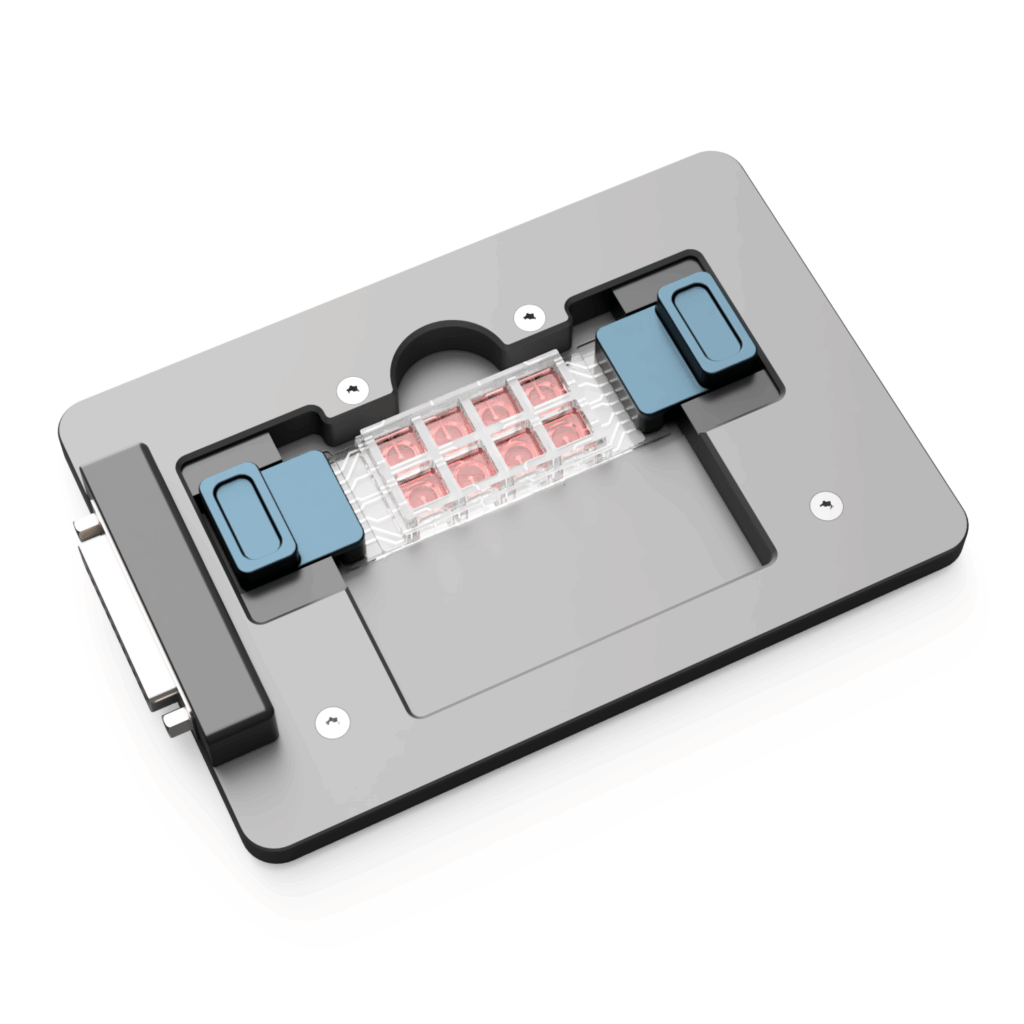
8 channel electrode system placed in the microscope holder

Microscope-compatible multichannel electrochemical system for live-cell imaging applications

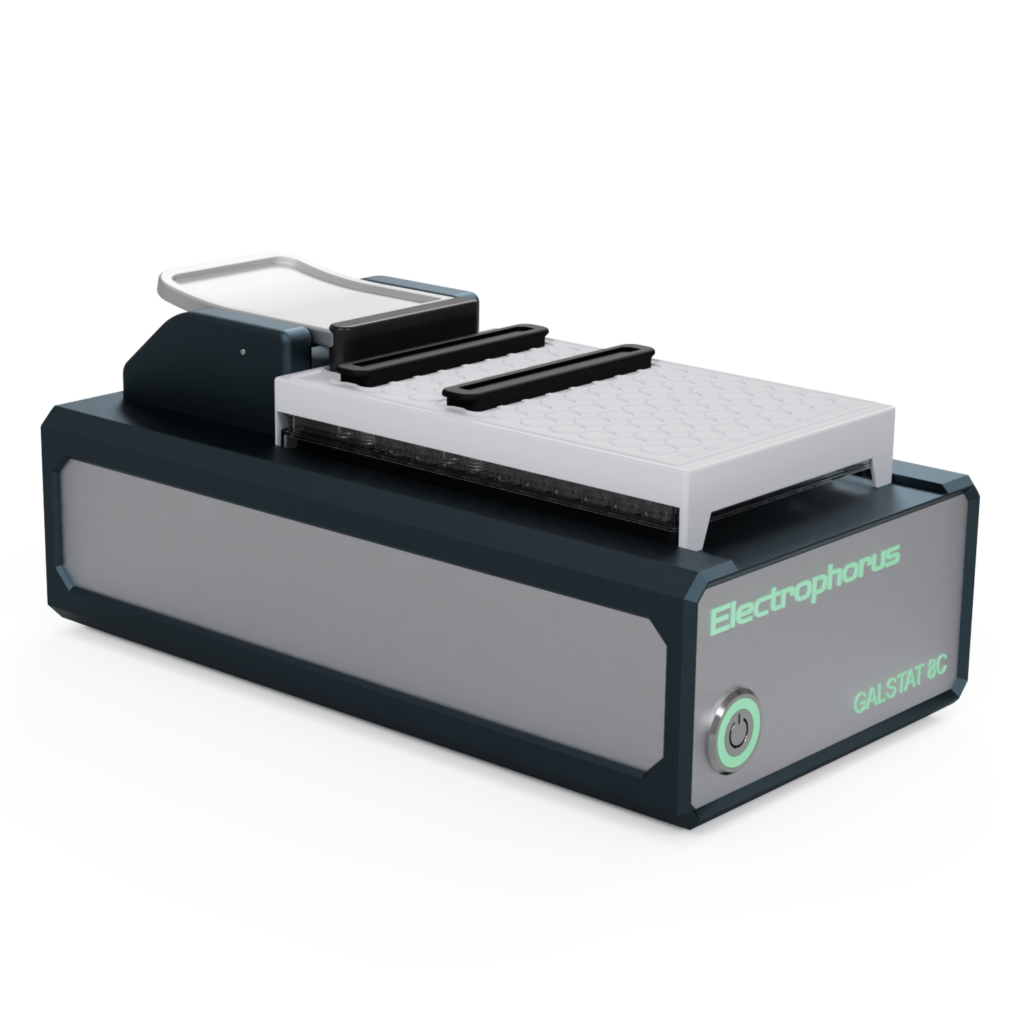
8-channel programamble galvanostat, top corner view

Fully programmable multichannel galvanostat designed to operate both BRICK and BRICK micro systems

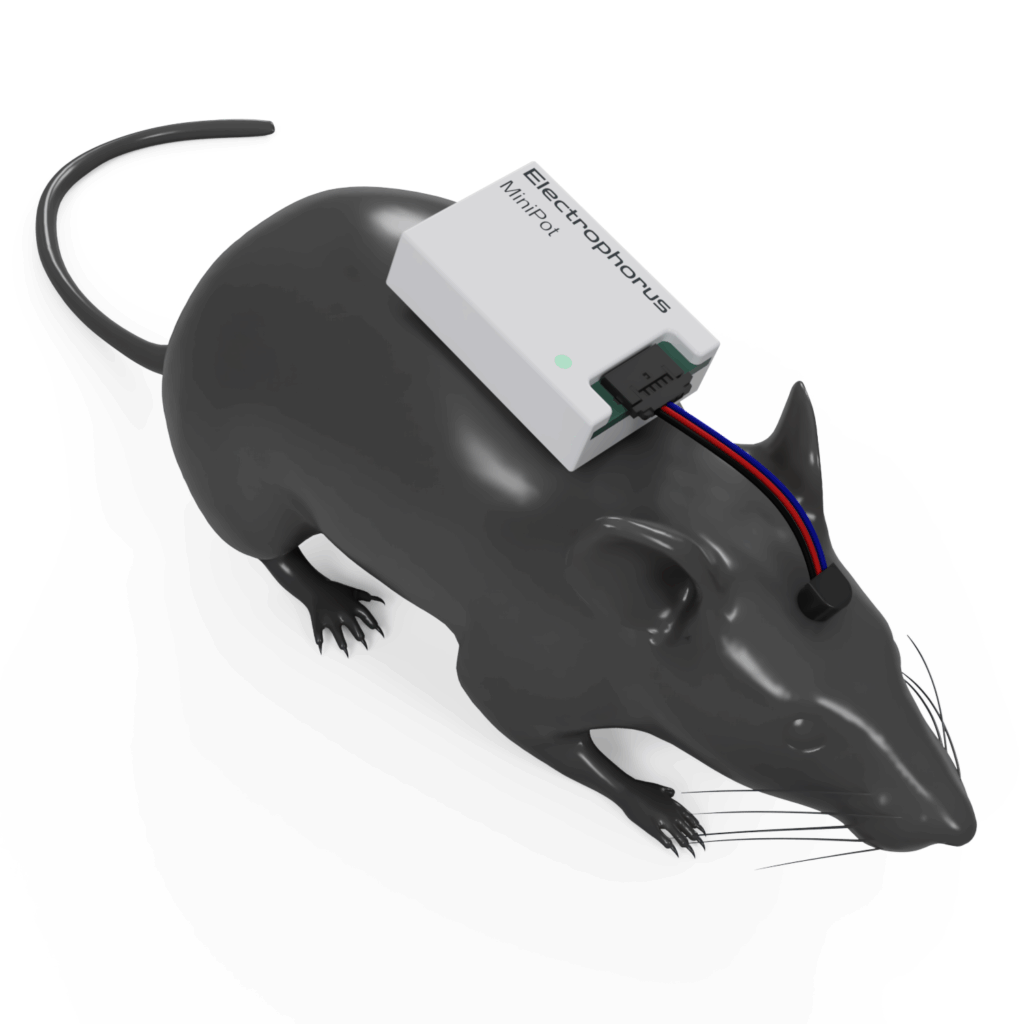
MiniPot - mini wereable potentiostat on a rodent model

Wearable, wireless, battery-powered potentiostat and current stimulator for chronic in vivo experiments in animals and plants

Our Services

Contract Development of Electrochemical Systems

At Electrophorus, we offer specialized development and consulting services tailored to the needs of researchers working at the interface of electrochemistry, biology, and bioengineering. Whether you require custom-built hardware, integrated sensing platforms, or expert guidance on experimental design, we are here to support your work with scientifically grounded, application-specific solutions.

Our Signiture Applications

Unlock the Full Potential of Oxygen Reduction Reactions

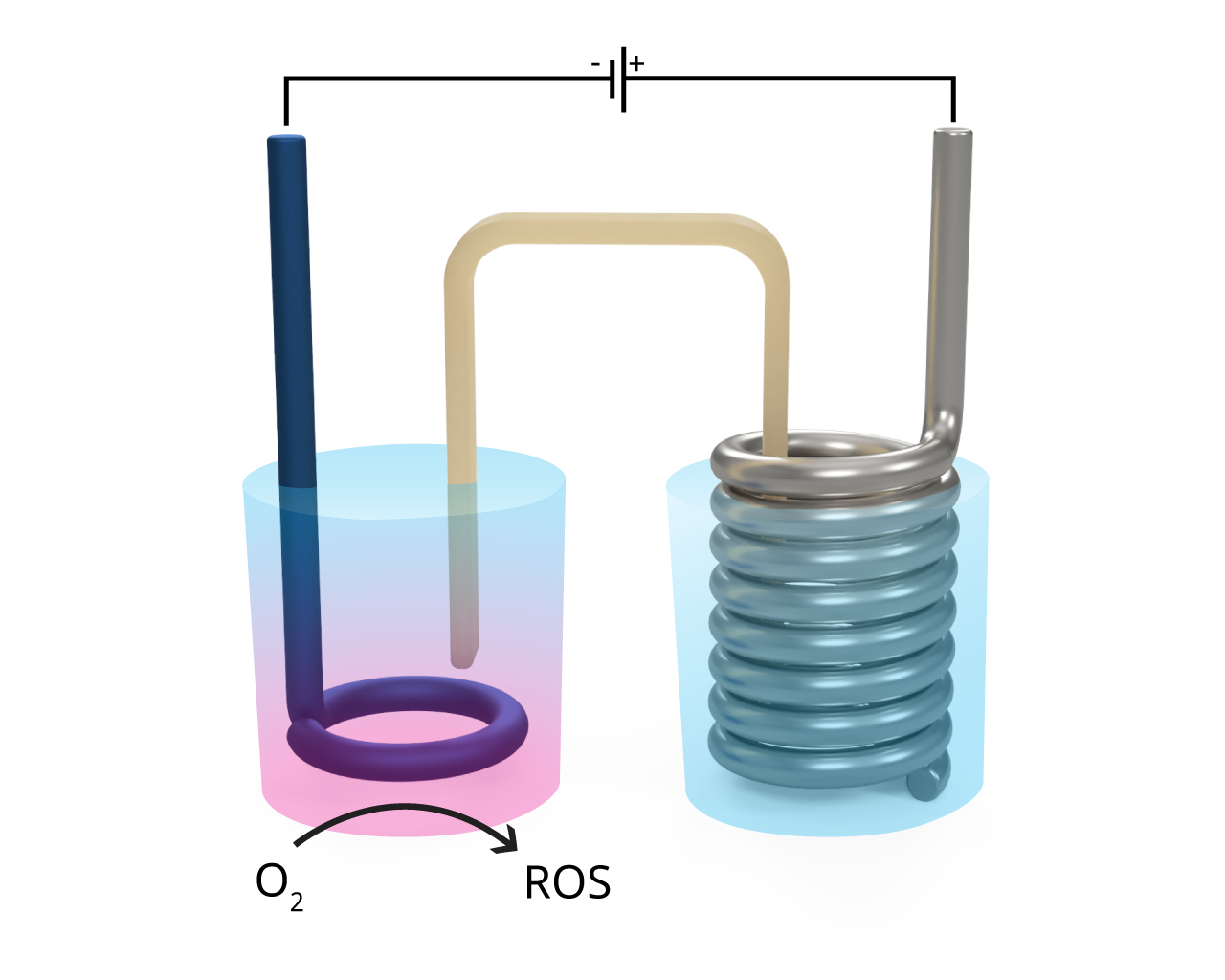
BRICK 2-well electrode configuration detail and description - showcase of oxygen reduction reaction for delivery of reactive oxygen species to the cell cultures

Controlled Release of Reactive Oxygen Species (ROS)

Use our electrochemical systems and custom-designed protocols to precisely dose reactive oxygen species (ROS) into your biological system.

Achieve reproducible and tunable ROS delivery for applications in redox biology, oxidative stress studies, and cell signaling research.

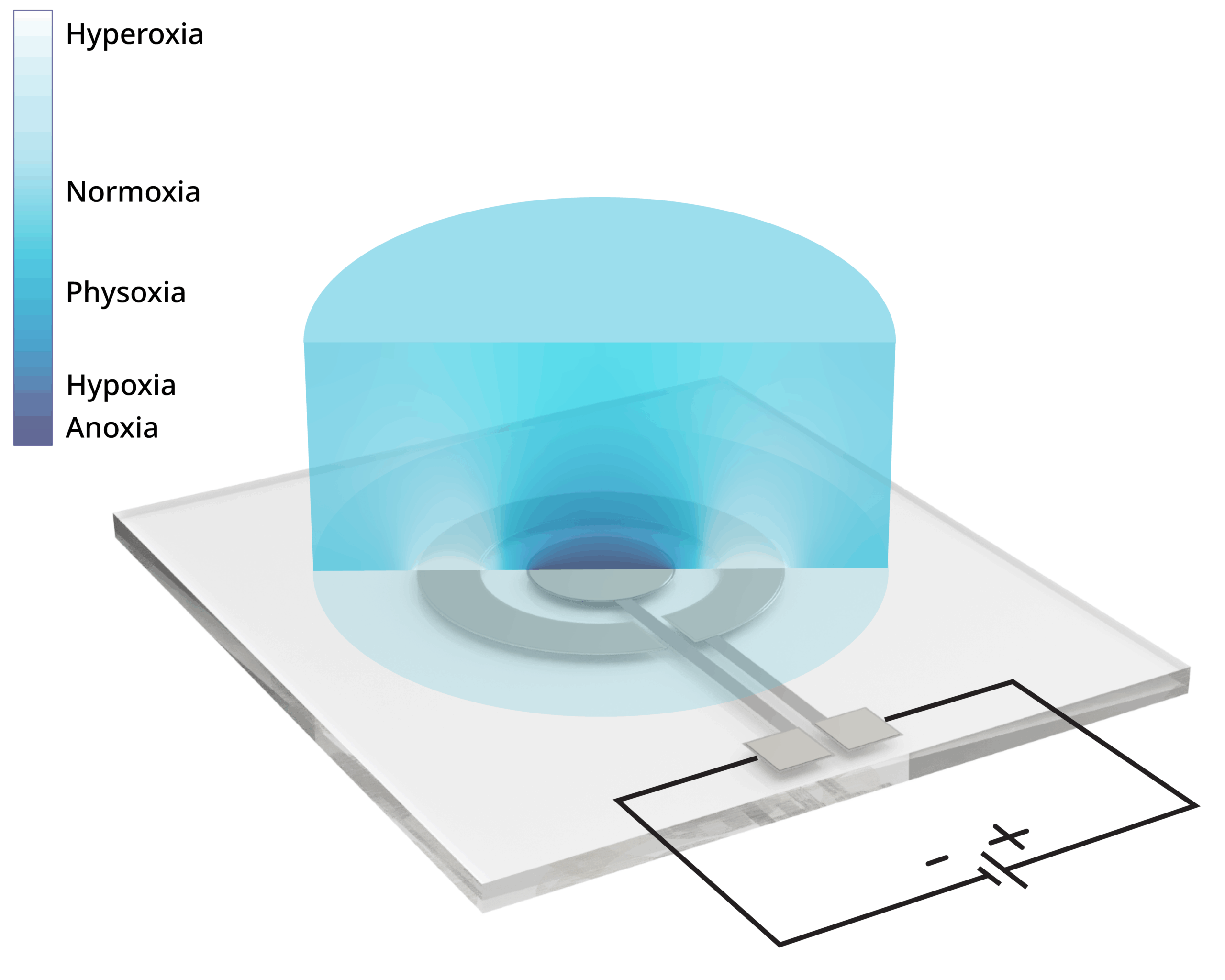
Concentric electrodes showcasing Oxygen reduction reaction for the formation of controlled oxygen gradients

Precise Control Over Dissolved Oxygen (DO) Levels

Leverage our electrochemical platforms to finely control dissolved oxygen levels — from physoxia to hypoxia, and even anoxia or hyperoxia.

By selecting the right electrode geometry and electrochemical protocol, you can generate well-defined oxygen concentrations and gradients to simulate physiologically relevant microenvironments.

What Our Clients Say

“We worked with the Electrophorus team at the inception of our startup on the custom design of planar electrochemical systems, and they provided fast, high-quality prototype manufacturing that helped my team hit the ground running.”

"We have used several versions of the BRICK electrochemical system for hydrogen peroxide delivery in 96-well plates for our cancer research. The Brick was extremely powerful for us, as it allowed for the first time to perform high throughput experiments and automated dosing of peroxide during the course of long-term experiments. This eliminated the need for complex perfusion systems and was controlled from a computer. We also appreciate the expert know-how of the Electrophorus team in guiding experimental design very much."
"We have worked with the devices that Jiri and Eric have provided and found them to be innovative and performant. We have used their expertise on local hydrogen peroxide and oxygen detection to integrate sensors into cell stimulation experiments."

Electrophorus provides transformational technology to generate local hypoxia. I am a big fan. We have utilised their microelectrodes to manipulate the development of early Drosophila embryos. A significant advantage of the devices that Electrophorus designs is that they can be seamlessly integrated into existing microscopy setups. We also made use of their support with microamperometric oxygen detection and measurement of oxygen gradients.”